Warehousing in the Netherlands
The Netherlands, with its strategic location and excellent infrastructure, is a key player in European logistics.
This article explores the warehousing landscape in the country, providing insights into major hubs, types of warehouses, services, average prices and more.
If you are looking for a personal offer or more information, you can contact us directly for quotes.
Pricing of Warehousing in the Netherlands (2026)
Warehouse pricing in the Netherlands varies based on location, size, and services offered. As of this year, approximate price ranges are:
- Basic Storage: €4 - €8 per square meter per month
- Full-Service Warehousing: €15 - €25 per pallet per month
- Cold Storage: €25 - €40 per pallet per month
Actual prices may vary significantly based on specific requirements and market conditions. Gather some few quotes and more information by filling out this form.
Dutch Warehouse Selector
1. What is the primary purpose of your warehouse?
Types of Warehouses in the Netherlands
The Netherlands has one of the highest warehouse densities in the world and features any type of warehouse you can think of. From bonded warehouses to fully services e-commerce fulfilment centers.
In addition, there are some specific types or characteristics that are more prominent or unique to the Dutch warehousing landscape:
Flower and Plant Warehouses: Given the Netherlands' dominant position in the global flower trade, there are specialized warehouses designed for storing and distributing flowers and plants. These facilities often have climate-controlled areas and are located near major flower auction houses like FloraHolland in Aalsmeer.
Agri-Food Warehouses: The Netherlands is a major exporter of agricultural products. As such, there are many warehouses specifically designed for storing and processing food products, often with advanced cold chain capabilities.
High-Bay Warehouses: Due to limited land availability and high land costs, the Netherlands has been a pioneer in developing very tall warehouses, some reaching heights of 40 meters or more. These "high-bay" warehouses maximize vertical space and often incorporate advanced automated systems.
Multi-Modal Warehouses: Given the country's extensive waterway network, there are warehouses specifically designed with direct access to both road and water transport, allowing for efficient transfer between trucks and barges.
City Distribution Centers: With a focus on sustainable urban logistics, the Netherlands has developed specialized warehouses on the outskirts of cities for consolidating deliveries and using electric vehicles for last-mile distribution.
Floating Warehouses: While not yet common, there have been innovative projects exploring the concept of floating warehouses in Dutch ports to address land scarcity issues.
Phytosanitary Inspection Facilities: As a major entry point for goods into the EU, the Netherlands has specialized warehouses equipped for phytosanitary inspections, particularly important for food and plant imports.
Renewable Energy Warehouses: Many Dutch warehouses are at the forefront of sustainability, with large-scale solar panel installations on their roofs, making them not just storage facilities but also energy producers.
Read more about the different types of warehouses in our warehousing guide.

Where to look for warehousing space in the Netherlands
Both online and offline, there are multiple places and networks to find the right warehousing solution. A lot of the market is ruled by real estate agents and other middlemen. However, it is possible to get in direct touch with companies renting out warehouses directly, which can be more convenient.
Commercial real estate agencies
These firms specialize in business properties and can offer personalized service, market insights, and access to off-market listings. Examples are CBRE and Cushman & Wakefield.
Local business parks
Directly contacting business park management can sometimes reveal upcoming availabilities or unlisted properties. Asking around with current tenants can also be useful.
Port authorities
If you need proximity to shipping routes, port authorities can provide information on warehouses within or near port areas.
Municipality websites
Local governments often list available properties to attract businesses and may offer incentives for certain areas.
Online real estate platforms
These websites aggregate listings from multiple sources, allowing you to search and filter warehouses based on location, size, and price. The best example of such a marketplace is Funda in Business. They often provide detailed information and photos. Alternatively, services like Zendeq allow you to submit your requirements and receive quotes from multiple warehouse providers, saving time and potentially finding competitive rates.
Top logistics hubs in the Netherlands
When identifying where to establish your warehouse in the Netherlands, several organizations have identified top logistics hubs based on several key criteria:
1. Skilled workforce availability
2. Sufficient land and suitable buildings
3. Cooperative local authorities
4. Motivated and available staff
5. High-quality infrastructure
6. Accessibility to other logistics centers
Often named as the key logistical hubs are the following regions:
1. West-Brabant (in Noord-Brabant)
2. Tilburg-Waalwijk (in Mid Noord-Brabant)
3. Venlo-Venray (in North Limburg), see Warehousing and fulfilment in Venlo
4. Rivierenland region (in South West Gelderland)
5. Utrecht (in Utrecht province)
The port, airport and city regions have their own pages: Warehousing and fulfilment in Rotterdam, Warehousing and fulfilment near Schiphol and Warehousing and e-commerce fulfilment in Amsterdam.
Certifications and Licenses
Certainly. I'll elaborate on each of these certifications and licenses relevant to warehouses in the Netherlands:
AEO (Authorized Economic Operator)
This is a EU certification that indicates a company is a trusted partner in international trade. AEO-certified warehouses are considered secure and compliant with customs regulations, which can lead to faster customs procedures and fewer physical inspections. Read our full guide on AEO.
TAPA (Transported Asset Protection Association)
TAPA certification focuses on security standards for logistics and supply chain operations. It helps protect high-value goods from theft and ensures that warehouses have robust security measures in place.
ISO 9001 (Quality Management)
This international standard ensures that the warehouse has a robust quality management system in place. It demonstrates the facility's commitment to consistently meeting customer and regulatory requirements.
ISO 14001 (Environmental Management)
This certification shows that the warehouse has an effective environmental management system. It indicates a commitment to minimizing environmental impact and complying with applicable laws and regulations.
HACCP (Hazard Analysis and Critical Control Points)
Essential for warehouses handling food products, HACCP compliance ensures that proper food safety procedures are in place to prevent contamination and maintain product quality.
GDP (Good Distribution Practice for pharmaceuticals)
This certification is crucial for warehouses storing and distributing pharmaceutical products. It ensures that the quality and integrity of medicinal products are maintained throughout the distribution process.
BREEAM (Building Research Establishment Environmental Assessment Method)
This is a sustainability assessment method for buildings. A BREEAM-certified warehouse demonstrates high environmental performance and sustainable design.
Talk to experts
If you need help with making sure you are compliant with all regulations and laws in your warehouse, please contact one of our experts.
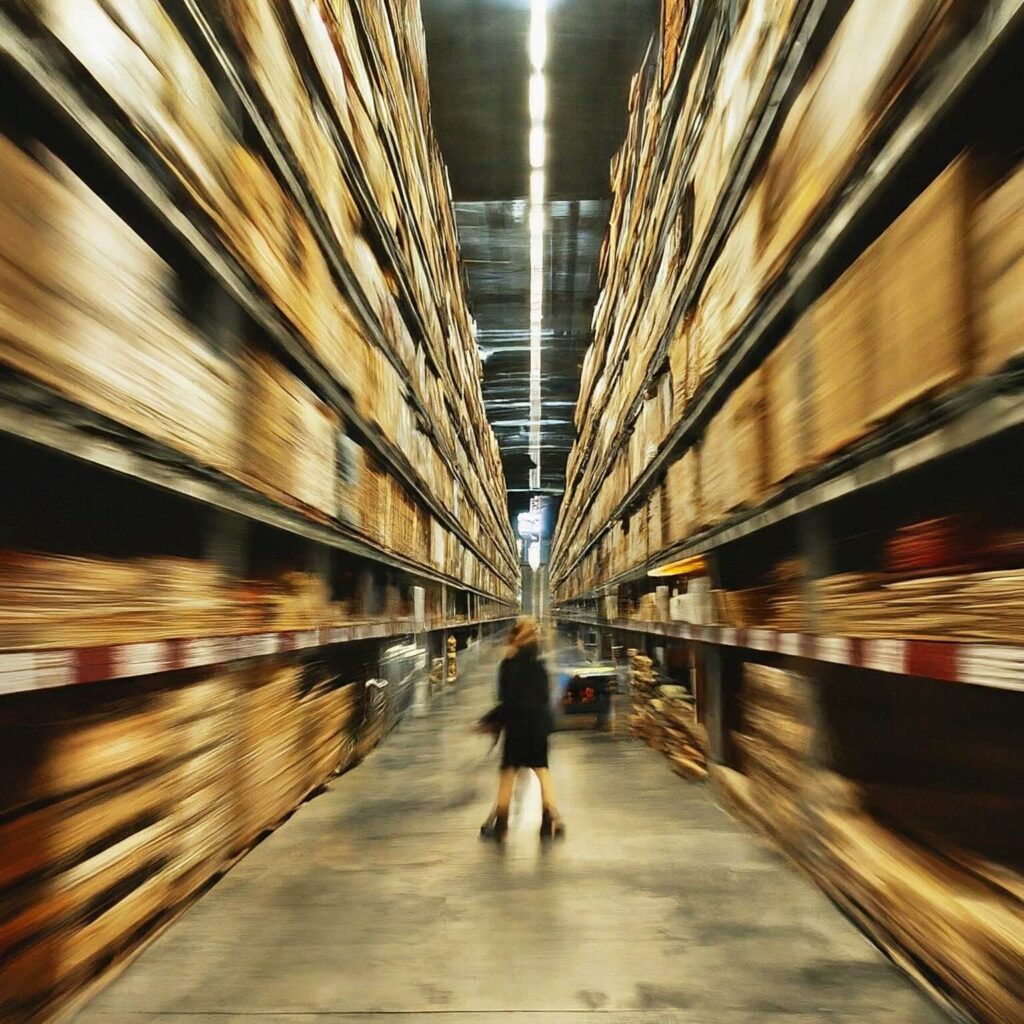
Services Provided
| Warehouse Type | Services Provided | Typical Use Cases |
|---|---|---|
| Public Warehouse |
|
|
| Private Warehouse |
|
|
| Bonded Warehouse |
|
|
| Distribution Center |
|
|
| Cold Storage Warehouse |
|
|
| Automated Warehouse |
|
|
| 3PL (Third-Party Logistics) |
|
|
| Fulfillment Center |
|
|
UK companies moving stock into the Netherlands after Brexit have a customs and VAT layer to arrange around the warehouse, from the EU EORI number to import VAT deferment and returns. That is set out in EU fulfilment for UK companies after Brexit.
Warehousing providers in the Netherlands
 Temis Luxury B.V.Nieuw-Vennep, NetherlandsConsultancy · Freight forwarding · Transportation & Freight
 Uniserve Netherlands B.V.Hoofddorp, NetherlandsFreight forwarding · Transportation & Freight
 Newcorp LogisticsHeinenoord, NetherlandsFreight forwarding · Transportation & Freight